A whirlwind month that changed my life – in more ways that one.
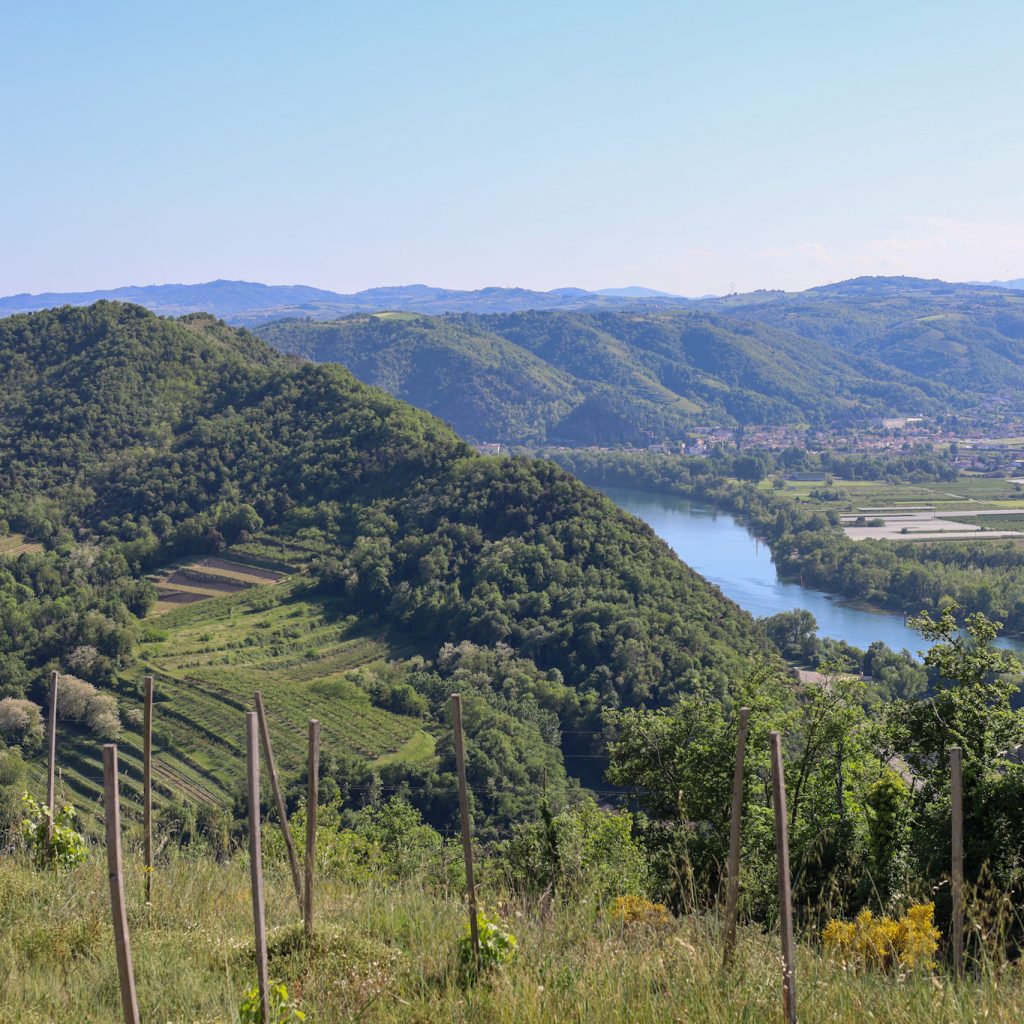
Contrary to popular belief, I am somewhat ashamed to admit that I actually haven’t visited every single French wine region (yet). I’ve done Champagne, Loire, Bordeaux, Provence, Bourgogne / Beaujolais, and Alsace, but have yet to hit Jura, Savoie, Corsica, Languedoc – and until this year – Rhône. I’ll be honest, the Rhône isn’t a region I typically reach for. After a few disastrous encounters with bad wines from the Côtes du Rhône (though of course there are some great ones within the appellation as well) and generally not being a fan of heavy, spicy Syrah like Cornas, I’ve generally discounted the region. Enter Crozes-Hermitage. When I was invited on a press trip specifically for this appellation, I really had no idea what to expect. What I found were some delicious medium-boded reds, innovative and interesting whites, and a new generation of winemakers who are as committed to biodiversity in their vineyards as they are to making great wine. From Vin de France to the Crozes-Hermitage Grand Tasting Weekend, here’s what I drank in April.
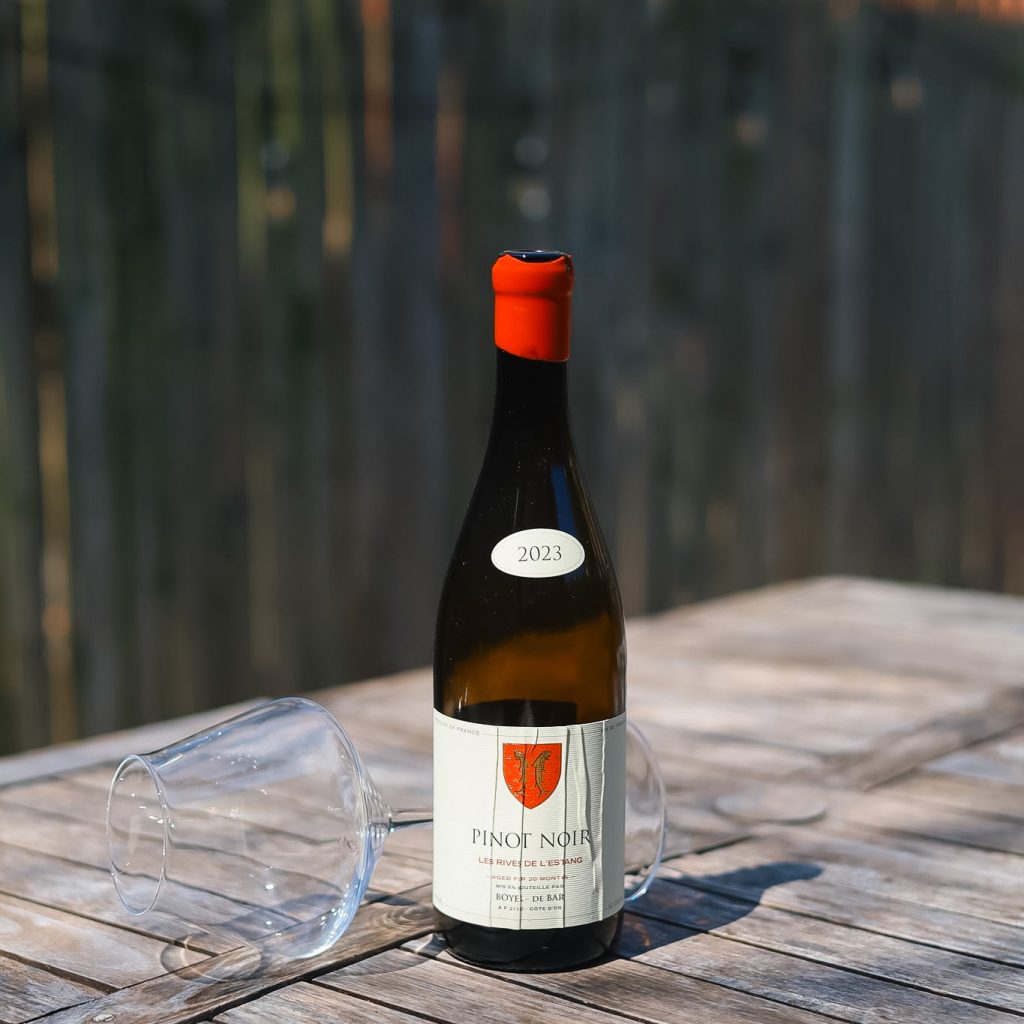
WINE #1: “Les Rives de l’Estang”, Vin de France, Boyer de Bar, 2023 (16.5/20, Maison Brondeau)
Where I had it: At home, on a warm April weeknight (anyone remember that one week we had where it was 80 degrees every day?!).
How much a bottle cost me (and would cost you): $25.
OVERALL COMPOSITE SCORE: 16.5/20
- DRINKABILITY SCORE: 4/5 – Just fun, easy, and delicious. Crunchy red berries, sipping-on-the-patio-when-it’s-unexpectedly-80-degrees-in-April kind of a day.
- PAIRABILITY SCORE: 4/5 – Great with the little cheeseboard and bruschetta we made that night. I’m not sure it would stand up to something more substantial, but great as an apéro.
- WALLET-ABILITY SCORE: 5/5 – $25 is a great price for a wine this drinkable and food-worthy. It’s easy to drink and doesn’t take itself too seriously – in price or in aroma profile – and sometimes that’s exactly what a weeknight calls for.
- THE X FACTOR SCORE: 3.5/5 – Maison Boyer de Bar is an interesting project. Two friends from winemaking families (one from Burgundy and the other from the Languedoc) decided to work together and make wines from the grapes of their family estates in the same place: a cuverie in Meursault. It’s an interesting idea, but only the Burgundy domaine is organic, and not much is noted on their website about other environmental or social commitments.
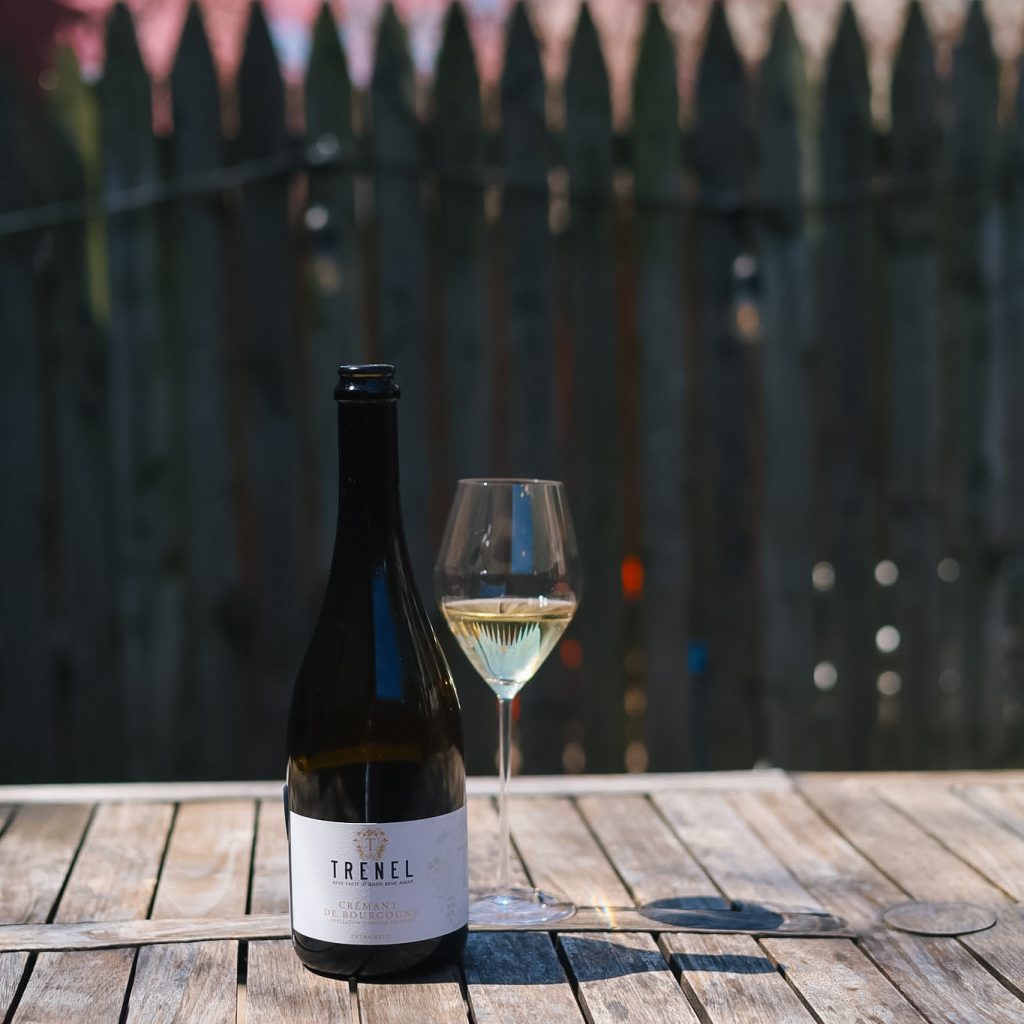
WINE #2: Crémant de Bourgogne Extra Brut, Maison Trenel, NV (14.5/20, Noble Merchants)
Where I had it: At home on a weekend evening with my husband. This was another one of our goal bottles for the year: for me to make a positive career change. Starting my own business? I’d say that is certainly cause for celebration.
How much a bottle cost me: $0.
How much a bottle would cost you: $32.
OVERALL COMPOSITE SCORE: 14.5/20
- DRINKABILITY SCORE: 4/5 – Clean, crisp, mineral. Easy to drink with a lingering note of peach. A great wine to enjoy at any time, but especially on a warm night in the spring or summer.
- PAIRABILITY SCORE: 4/5 – It tasted great with both my go-to snack (popcorn… I can’t be helped) and a spring vegetable risotto we made later that evening. Zero complaints!
- WALLET-ABILITY SCORE: 4/5 – $32 is pretty a good for a solid crémant de Bourgogne, particularly given the global geopolitical context we’re living in now.
- THE X FACTOR SCORE: 2.5/5 – Trenel is a brand owned by M. Chapoutier, one of the Rhône Valley’s organic and biodynamic winemaking pioneers. And yet, little information about Maison Trenel’s sustainable practices is available online, with nothing noted on tech sheets, websites, or social media pages. I have high standards for Chapoutier knowing that they’ve created one of the world’s most sustainable wine brands, so I was a little taken aback by the lack of transparency here.
WINE #3: Coudoulet de Beaucastel, Côtes du Rhône, Famille Perrin, 2022 (16.5/20, Wine.com)
Where I had it: I brought this to a party with my husband’s coworkers at his boss’ house.
How much a bottle cost me: $0. This was a sample I received from the importer.
How much a bottle would cost you: $31.
OVERALL COMPOSITE SCORE: 16.5/20
- DRINKABILITY SCORE: 3.5/5 – It’s a little rough-and-tumble around the edges (like most Côtes du Rhône these days, I find), but there’s a good freshness and some crunchy red fruit notes that – as noted below – paired fabulously with veggie pizza.
- PAIRABILITY SCORE: 4/5 – I’ve said it before and I’ll say it again: a good red Côtes du Rhône makes for a great pizza pairing. This one was no exception. It was better than the pizza on offer that night and actually improved the pizza with each passing sip. Case closed: if you’re having pizza, pair it with this.
- WALLET-ABILITY SCORE: 4/5 – $31 is the sweet spot for French wines on the U.S. market right now, and I’m pleased to see that Famille Perrin isn’t using their name to exploit pricing. While I wish it were available for closer to $25, I’m also aware that our world just won’t allow such great deals anymore.
- THE X FACTOR SCORE: 5/5 – Famille Perrin, the owners of Château de Beaucastel, are one of the largest producers in the Southern Rhône and are equally one of the region’s pioneers in organic and biodynamic winemaking. What’s more, they recently renovated and expanded the physical property of Château de Beaucastel so that it runs almost entirely on natural resources (rainwater, solar, etc.) and is “80% self sufficient in water, electricity, heating, and cooling.” The commitment is – quite frankly – insane, in the best way. Perrin and Beaucastel have clearly created the gold standard for sustainable winemaking in France – and beyond.
WINE #4: Brut Réserve, Champagne Charles Heidsieck, NV (15/20, Wine.com)
Where I had it: At a little apéro in Jersey City with fellow wine influencer, podcaster, and writer, Erica Duecy.
How much a glass cost me: $0. I’m pretty lucky to have friends with great cellars.
How much a bottle would cost you: $84. Oy, these Champagne prices are getting a little steep!
OVERALL COMPOSITE SCORE: 15/20
- DRINKABILITY SCORE: 3.5/5 – I’m gonna rip the bandaid off: for me, the bubbles on this wine were aggressive. I really struggled to enjoy it. That being said, there is great structure in this wine and lovely, varied notes: from hazelnut to croissant and even a little apricot. If you don’t mind a zippy bubble, this could be a great wine for you.
- PAIRABILITY SCORE: 4/5 – Even if the texture wasn’t my favorite, there’s no doubt that Champagnes of all kinds can really pack a punch with the food pairings – and this one was no exception. Erica was a gracious host and pulled together a delicious cheeseboard for us that night. From apple slices to salted almonds and a variety of cheeses, this wine paired well with everything.
- WALLET-ABILITY SCORE: 3.5/5 – For me, this Champagne – the entry level cuvée of the house no less – is not worth $84. Now, if your’e a fan of the Heidsieck style, it might be, but I wouldn’t be the person to spend more than ~$50 on a Champagne like this. To each their own.
- THE X FACTOR SCORE: 4/5 – The big houses have big shoes to fill. While the house only maintains an HVE 3 certification, their website notes that they are a certified B-Corp, do not use insecticides or pesticides, have beehives present on property, are motivated to limit their waste, and only use organic fertilizers. More can be done but it is certainly not nothing. For a grande marque, it’s notable.
WINE #5: “Bulles d’O”, Blanquette de Limoux, Château Canet, NV (16/20)
Where I had it: On our penultimate night in Edinburgh, at a restaurant called NADAIR. We loved this place, and oddly happened to be the only ones there the night of our reservation! It was an intimate and delicious dining experience. If you’re looking for a splurge-worthy meal with some great wine pairings, I can’t recommend it enough.
How much a glass cost me: Hard to say – we picked the tasting menu with wine pairings, so this was a part of that cost. It was on the by-the-glass menu for about 10 pounds, so I’d imagine that was factored into the cost of the wine pairing.
How much a bottle would cost you: £20 if you’re in the U.K. Unfortunately, I couldn’t find any reference available stateside.
OVERALL COMPOSITE SCORE: 16/20
- DRINKABILITY SCORE: 4/5 – Soft bubbles with light fruit notes of apricot and peach. It was pretty, soft, and perfect for the starter course we enjoyed that evening.
- PAIRABILITY SCORE: 4.5/5 – This one really shone with the food. The first course included house-made sourdough with herbed butter, a caviar mousse, and local potatoes in a millefeuille bite. It was perfect with all of it. This is a great wine for a restaurant menu, no doubt.
- WALLET-ABILITY SCORE: 4/5 – £20 is a lovely deal for a bubbly that could rival any crémant. It loses a point for being effectively unavailable stateside, but if you’re in France or the U.K., I highly recommend this purchase.
- THE X FACTOR SCORE: 3.5/5 – I couldn’t find much detail about the environmental practices or certifications specific to the production of the wine itself, but the domaine’s website has an interesting page on Sustainability that explains their carbon offset commitment in great detail. I’ve never seen a winery discuss anything like it at length, but it would be great if they could add information specific to the vineyard here for a higher score.
WINE #6: Cuvée Le Luy Doux, IGP Comté Tolosan, Château de Cabidos, 2018 (15.5/20)
Where I had it: This was another one of the wines featured during our dinner at NADAIR, paired with the dessert course.
How much a glass cost me: Hard to say – we picked the tasting menu with wine pairings, so this was a part of that cost. It was on the by-the-glass menu for about 10 pounds, so I’d imagine that was factored into the cost of the wine pairing.
How much a bottle would cost you: $0. I could not find this wine available in the U.S. for the life of me. It’s understandable, given how sweet wines have seen enormous decline in popularity over the last few decades, but frustrating. It’s a fantastic bottle for dessert!
OVERALL COMPOSITE SCORE: 15.5/20
- DRINKABILITY SCORE: 4/5 – Sweet wines are out of fashion, and while there are so many reasons for this, the most obvious one is this: many are poorly made. In the U.S., liking sweet wines also indicates to some that you aren’t educated about wine, which is incredibly sad given that some of France’s greatest grands crus fall into this category (I’m looking at you, Sauternes). If anyone is going to do sweet wines right, it’s the south of France, and this little IGP Comté Tolosan (which I’d never even heard of before this night) was no exception. What a pretty little glass to end the night with. Wonderfully complex, the nose kept giving and giving. From hazelnut to candied apple and honeyed pear, it was a perfect final note, and as you’ll read below – excellent with the featured dessert.
- PAIRABILITY SCORE: 4/5 – I often feel dessert is one of the hardest things to pair wine with – even if you’re going with a sweet wine. There are often a lot of textures, flavors, and temperatures to deal with, much less levels of sweet, bitter, and acid. That evening’s feature was a house-made rhubarb sorbet with whipped yogurt and pistachios, and pairing it with this wine really made it sing. Honestly just lovely. For an undersung IGP that no doubt traveled a long way to Edinburgh, she punched well above her weight.
- WALLET-ABILITY SCORE: 4/5 – If there’s a good deal to be found in wine these days, it’s in the dessert wine category. You can get a little bottle in France and the U.K. fairly inexpensively, and the size makes it perfect for a tasting club or to finish out a dinner party. It loses a point here for not being available on the U.S. market, but otherwise, a good deal.
- THE X FACTOR SCORE: 3.5/5 – Château Cabidos claims to have vaguely been working in sustainable viticulture since its inception and is on its way to organic conversion. More can be done but the conversion is no easy feat (nor is the certification requirements that come with it).
WINE #7: Côte de Léchet, Chablis Premier Cru, Domaine Vincent Dampt, 2023 (15.5/20, Saratoga Wine)
Where I had it: On our first evening at the Cuillin Hills Hotel in Portree on the Isle of Skye. After a long drive from Inverness (with a few fun stops along the way), we booked a somewhat early dinner so we’d have enough time to sleep before hitting the hikes early the next morning. Cuillin Hills has an exceptional restaurant – certainly one of the best in Skye. Highly recommend, and the wine list is fab.
How much a glass cost me: About the equivalent of $26 for a medium glass. We’re getting to New York pricing here.
How much a bottle would cost you: $38. That’s not too bad for a premier cru Chablis stateside.
OVERALL COMPOSITE SCORE: 15.5/20
- DRINKABILITY SCORE: 4.5/5 – This wine strikes a good balance between the characteristic lemon lightness emblematic in Chablis and a structured, more round mouthfeel thanks to some lees aging. There is something wonderfully unctuous about it – like a lemon that’s all grown up and dressed to the nines on her way to a gala.
- PAIRABILITY SCORE: 4/5 – Excellent with food, truly. That evening, we had a smoked salmon and grapefruit starter that was actually wonderful with this, followed by a fillet of hake in a lovely fennel and citrus sauce. Of course, it would be hard *not* to enjoy a Chablis premier cru with one of the best views in the Isle of Skye, but this one certainly didn’t disappoint.
- WALLET-ABILITY SCORE: 4/5 – It loses a point for being an expensive option by the glass, but the bottle is good value in the U.S. and generally still cheaper BTG than what you’d have paid at a wine bar in New York. There’s still good value here.
- THE X FACTOR SCORE: 3/5 – The domaine is currently in conversion to HVE 3, and while the website notes that it is a priority to transition to more “green estate management”, it hasn’t happened quite yet. Here’s hoping more along these lines will come to pass in the future.

WINE #8: “Les Vignes sur Mer”, Picpoul de Pinet, Maison Azan, 2024 (17/20)
Where I had it: On our last evening at the Cuillin Hills Hotel in Portree on the Isle of Skye. We’d just finished three long hikes and were looking for a quick refreshment before dinner. We paired this with a cheeseboard of local Scottish cheeses and headed out onto the shared patio to enjoy the view and the sunshine before heading back into Portree for dinner.
How much a glass cost me: $10.
How much a bottle would cost you: Sadly, I could not find this available in the U.S., but a full bottle in the U.K. will cost you the equivalent of about $15.
OVERALL COMPOSITE SCORE: 17/20
- DRINKABILITY SCORE: 4/5 – Just lovely. Like breathing in a room full of lemon zest and soft, freshly cut grass. Sometimes, the moment is beautiful on its own and all the wine needs to do is complement it. There is nothing better than a quiet moment on vacation with the person you love, relaxing on a sunny day in beautiful surrounds.
- PAIRABILITY SCORE: 4/5 – Great with the cheeses and jams that we got on our little plate – even the super stinky local Scottish blue. Fun and easy. Like a true Picpoul, its best pairing is with a view of the sea (or in this case, a loch), on a clear, warm day.
- WALLET-ABILITY SCORE: 5/5 – When we first told everyone we were going to Scotland, a lot of people told us to expect extreme prices for everything from parking to food & wine. While some things were as expensive as daily life in New York City (thankfully not parking, but hotel rooms and nicer meals certainly got up there), Scotland’s proximity to France made most French wine a bargain. If we weren’t getting up early to hike every morning, we probably would have splurged on a few different bottles throughout our trip. This Picpoul being about $10 for a medium glass is still a bargain for stateside pricing, even if it is a little more expensive for the U.K., so I give it five points here.
- THE X FACTOR SCORE: 4/5 – This domaine (known within France as Domaine de Petit Roubié, but in the U.K. as Maison Azan for marketing – and likely pronunciation, oy! – reasons) has been certified organic since 1985. Their website also notes that they work with a local beekeeper to promote pollination and biodiversity on the property. While more can certainly be done, it’s a good effort.
WINE #9: Les Bruclas, Crozes-Hermitage Blanc, Domaine Vendome, 2024 (16.5/20)
Where I had it: This was the standout wine at the inaugural dinner for the Crozes-Hermitage press trip I attended this month.
How much a glass cost me: $0.
How much a bottle would cost you: $22 – if you can find it.
OVERALL COMPOSITE SCORE: 16.5/20
- DRINKABILITY SCORE: 4/5 – By and large, the wines I enjoyed the most on my trip to Crozes-Hermitage were the whites. They make up but a very small percentage of the wines produced there, but given growing global interest in lighter, fresher white wines, many producers are reinvesting in the category. This wine was a standout for a reason – vibrant and fresh with light notes of Acacia flower and white florals. It was delicious on its own as well as with food.
- PAIRABILITY SCORE: 4/5 – Exceptional with some of the meatiest, saltiest oysters I’ve ever had but also an excellent complement to the vegetarian dishes on offer that evening. A delight.
- WALLET-ABILITY SCORE: 4/5 – If you can find this near you, snap it up. She’s certainly worth the $22 and then some. The wine loses a point for being tricky to find stateside, but otherwise a great price for a great wine.
- THE X FACTOR SCORE: 4.5/5 – Domaine Vendome is run by a charming husband and wife team. Founded only very recently in 2020, it is an organic domaine that is additionally passionate about biodiversity. The property boasts a variety of fruit trees, lavender, and produces truffles as well. Additionally, if you’re local, you can take your empty bottles back to the domaine and they’ll recycle them. It’s the little things that make the X Factor score add up to a near-perfect score like this one.
WINE #10: “L’Ophys”, Crozes-Hermitage, Domaine des Martinelles, 2024 (15/20)
Where I had it: At the grand trade tasting during the Crozes-Hermitage press trip. Thomas of Domaine des Martinelles was lucky (or perhaps unlucky?!) to have had a booth right by the entrance. I hope he made a killing – his wines are delicious!
How much a glass cost me: $0.
How much a bottle would cost you: $0. This wine unfortunately has not yet been released and is unlikely (SADLY) to make it stateside. Thomas only makes 800 bottles of the cuvée a year – which perhaps explains why it is so excellent.
OVERALL COMPOSITE SCORE: 15/20
- DRINKABILITY SCORE: 4.5/5 – This is one of those wines that is so unique and charming that it makes you fall all the way back into loving the wine world – despite the industry’s eccentricities. It’s a lovely wine that is structured but velveteen in the mouth, with notes of crunchy red and dark berries. L’Ophys has a je ne sais quoi about it – something unique and different that just rounds it out and makes it delightful to drink. I wish I had bought a few bottles when I had the chance.
- PAIRABILITY SCORE: 4/5 – I did not try this one with food, but there’s no doubt that with a bit of a chill on it, it would do wonderfully with a dinner al fresco. I could see it working with pizza, grilled salmon, or even salade Niçoise.
- WALLET-ABILITY SCORE: 3/5 – The fact you can’t get it is outside of visiting the domaine is a major detraction (and sadly is something that will be repeated a few times during this month’s reviews – c’est la vie).
- THE X FACTOR SCORE: 3.5/5 – Domaine des Martinelles is practicing organic but not certified, and I couldn’t find too much other information readily available about any additional sustainability initiatives. They are an independent and family-owned domaine, but to improve this score, I’d need to understand how they’re lessening the environmental impact of winemaking.
WINE #11: “Ongrie”, Saint-Péray, Alain Voge, 2023 (17/20, iDealwine)
Where I had it: At the grand trade tasting during the Crozes-Hermitage press trip.
How much a glass cost me: $0.
How much a bottle would cost you: $35. (Though with shipping through iDealWine, it will cost you a bit more overall.)
OVERALL COMPOSITE SCORE: 17/20
- DRINKABILITY SCORE: 4.5/5 – As my trip to the Rhône this month was largely focused on Crozes-Hermitage, I sadly didn’t have time to drink many other appellations like Saint-Péray, but I have been a fan for a long time. This one was excellent, like a delicate perfume that you keep going back to your wrists for to smell a little more (and yes, I did do a tour around the entire grand tasting room only to return again to the Voge station for a second little taste of this). Subtle florals, a little unripe peach, and a palatable earthiness I just can’t describe. Gorgeous.
- PAIRABILITY SCORE: 4/5 – Another one that is remiss without food – and certainly lacking that in this review as I didn’t enjoy it with food either, and what a shame! That being said, I could see it pairing well with so many incredible dishes, but especially a French cheeseboard at the end of a long meal. There’s just something about it that feels rich enough to balance cheese but not so rich that you feel overwhelmed by the lactose-alcohol combination.
- WALLET-ABILITY SCORE: 4/5 – Tracking this wine down in the U.S. is a little challenging. There are a few importers who work with Voge, but none (apparently?) import this specific cuvée. It loses a point for not being available stateside, but otherwise, the prices feels right.
- THE X FACTOR SCORE: 4/5 – Voge is yet another bastion of organic, biodynamic, and biodiverse winemaking in the northern Rhône.
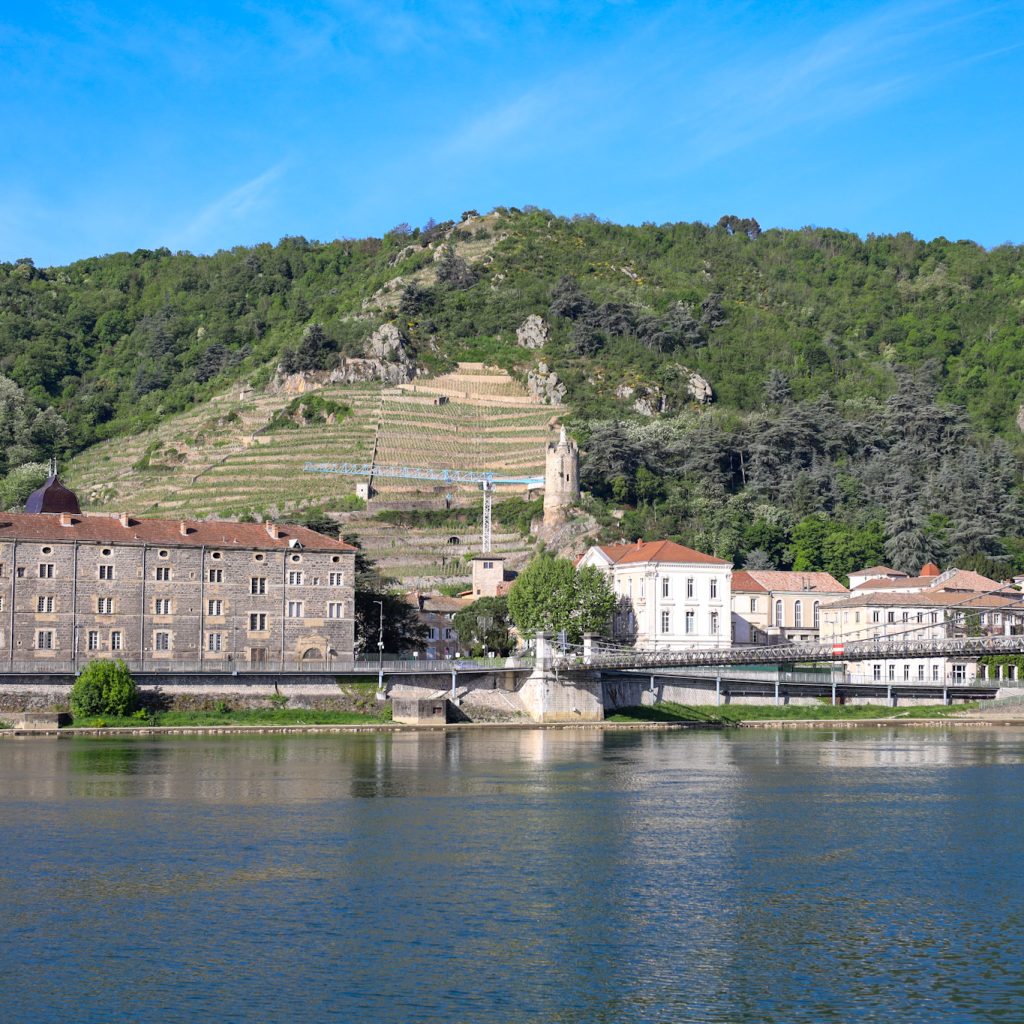
WINE #12: Crozes-Hermitage Blanc, Yann Chave, 2024 (18/20, Mr. D’s Wine)
Where I had it: At the grand trade tasting during the Crozes-Hermitage press trip, and again during a more intimate tasting at the vineyard. Of note: Yann Chave is not related to Jean-Louis Chave, one of the northern Rhône’s most iconic producers. Believe you me, though, that doesn’t mean his wines aren’t equally as extraordinary.
How much a glass cost me: $0.
How much a bottle would cost you: $30. That is a fantastic price for a great wine. Disclaimer: I was only able to find the 2023 available stateside at the moment. Here’s hoping the 2024s make their way over very soon.
OVERALL COMPOSITE SCORE: 18/20
- DRINKABILITY SCORE: 4.5/5 – If this blog post should teach you anything, it’s this: Crozes Hermitage blanc is a category to watch. Chave’s version is exceptional, refined, and beautifully structured. A delight to drink with almost anything at any time. Soft and elegant in the mouth with delicate notes of white peach and pear, this was one of my favorite white wines from the entire trip. I’m forever annoyed that I didn’t buy several bottles when I had the chance onsite at the grand tasting.
- PAIRABILITY SCORE: 4.5/5 – I tasted this wine on three separate occasions and I can promise you it paired well with all of them. First at the grand tasting, where I was blown away by it, and second in a newly planted vineyard where the Chave family is expanding their mark: Clos Madeleine. The final taste was at the weekend’s farewell dinner where it paired exceptionally with the cod dish I enjoyed. Just goes to show you that a great wine can pair well with literally any moment (so long as it’s been properly chilled).
- WALLET-ABILITY SCORE: 5/5 – It’s a shame that this wine is so very hard to find in the U.S., but $30 is an absolute steal. If you can find it, snap it up.
- THE X FACTOR SCORE: 4/5 – Yann Chave’s vineyard is an organic one, with an emphasis on polyculture throughout the property (like so many in the region, it was originally cultivated for fruit trees, and while it’s mostly turned to viticulture, Chave is committed to maintaining vineyard biodiversity). A small, family-owned domaine that’s not only well-respected within the region but beloved. This is one to watch.
WINE #13: “Les Pends”, Crozes-Hermitage, Domaine des Entrefaux, 2020 (18/20, Solano Cellars)
Where I had it: At a masterclass during the Crozes Hermitage press trip.
How much a glass cost me: $0.
How much a bottle would cost you: $40. (Of note: This review covers the 2020 vintage but there doesn’t appear to be any more of it available stateside, so the link above subs in the 2021 vintage instead.)
OVERALL COMPOSITE SCORE: 18/20
- DRINKABILITY SCORE: 5/5 – An absolute standout. At first sip, you feel as though you’ve walked into a room cloaked entirely in dark crimson velvet. Each sip builds on the last, with notes of ripe blackberry and violet florals. My favorite red wine from the weekend in Crozes-Hermitage.
- PAIRABILITY SCORE: 4/5 – I am devastated to report that I did not try this wine with food. (It was part of a masterclass on the vintage effect in Crozes-Hermitage, so the tasting was purely academic.) I would love to try it again in a mealtime context – no doubt it would be absolutely stunning. Foods that come to mind? Mushroom risotto. Anything stewed. Maybe even grilled salmon? Clearly, we need a test-and-learn session.
- WALLET-ABILITY SCORE: 5/5 – For $40, this wine is a steal. Don’t hesitate – it’s beyond worth it!
- THE X FACTOR SCORE: 4/5 – Domaine des Entrefaux is a certified organic, practicing biodynamic domaine run by a husband and wife team. There’s so very much to love in the care they clearly place in their wines, their cellars, and their vineyards. I can’t wait to taste more of their wines and see where they go.
WINE #14: “Les Pontaix”, Crozes-Hermitage Blanc, Laurent Fayolle, 2024 (17/20, Solano Cellars)
Where I had it: In Laurent Fayolle’s vineyards during the Crozes Hermitage press trip.
How much a glass cost me: $0.
How much a bottle would cost you: $46. (Of note: This review covers the 2024 vintage but it looks like it hasn’t made it over to the U.S. yet, so the link above subs in the 2023 vintage instead.)
OVERALL COMPOSITE SCORE: 17/20
- DRINKABILITY SCORE: 4.5/5 – Easily one of the best whites of the trip. So many white Crozes-Hermitage can feel really heavy – and understandably so, given their grape varieties (Marsanne and Roussanne), soils (loess, sand), and propensity to be grown on the plains of the appellation. Laurent Fayolle is one of the few growing white grape varieties on the hilltops and slopes immediately surrounding the iconic Hermitage hill, and as a result, his wines take on a more structured, refreshing flavor profile. There is a lightness to this wine that makes it feel more akin to an appellation featuring Chenin Blanc over one that’s oily like Viognier. There’s a bright white floral note, a touch of honey, and a smattering of pear. The combination makes it perfect to enjoy al fresco.
- PAIRABILITY SCORE: 4/5 – I also unfortunately didn’t try this one with food, but I do think it would have paired well with that evening’s dinner: dos de cabillaud (cod fillet) in butter sauce with asparagus. Yum.
- WALLET-ABILITY SCORE: 4/5 – We are getting a bit expensive for the region, but seeing as Fayolle’s location is so unique, I’ll give them four points here.
- THE X FACTOR SCORE: 4.5/5 – As with so many producers in the Rhône, Fayolle is deeply entrenched in the principles of organic and biodynamic winemaking and farming. One look at his vineyard will show you it is indeed a healthy and biodiverse ecosystem. And a beautiful one at that.
WINE #15: Crozes-Hermitage, Domaine Graillot, 2023 (17/20, Wine.com)
Where I had it: At a private tasting at the Domaine Graillot with its current proprietor, Maxime Graillot.
How much a glass cost me: $0
How much a bottle would cost you: $46.
OVERALL COMPOSITE SCORE: 17/20
- DRINKABILITY SCORE: 4.5/5 – Easily one of the best reds in Crozes-Hermitage, Graillot is known for complex, layered, well-structured wines that can rival some of the Northern Rhône’s more “exclusive” appellations (I see you, Cornas and Côte-Rôtie). The 2023 vintage was my favorite of the ones I tasted during the appointment, with restrained, elegant notes of red cherry and licorice. A delicious wine that was one of my favorites from the April trip.
- PAIRABILITY SCORE: 4/5 – I did not pair this with anything during the tasting, but I have no doubt it will be a total hit with food, especially now that it’s nearly barbecue season. There’s a structure here that will complement a higher-end cut of red meat or even a cedar-plank salmon. I’m definitely going to be experimenting.
- WALLET-ABILITY SCORE: 4.5/5 – I’m talking a half of a point off here because I think the importers and distributors of this wine are getting a little greedy. Would I pay $46 for a bottle of this wine? Absolutely – but I also know that it’s available in shelves throughout France for closer to 25€. Its popularity in the U.S. is starting to bother its quality-price ratio, and I don’t love that for us. But if you can snap up a bottle, you absolutely should.
- THE X FACTOR SCORE: 4/5 – There’s a sense you get when you’re speaking to Maxime that sustainability isn’t a buzzword: it’s a raison d’être. This feeling was one I came across frequently in Crozes-Hermitage, and their commitment to people, place, and nature is exceptional. This is a small, family-owned organic vineyard committed to a biodiverse approach, with 100% hand-harvesting.
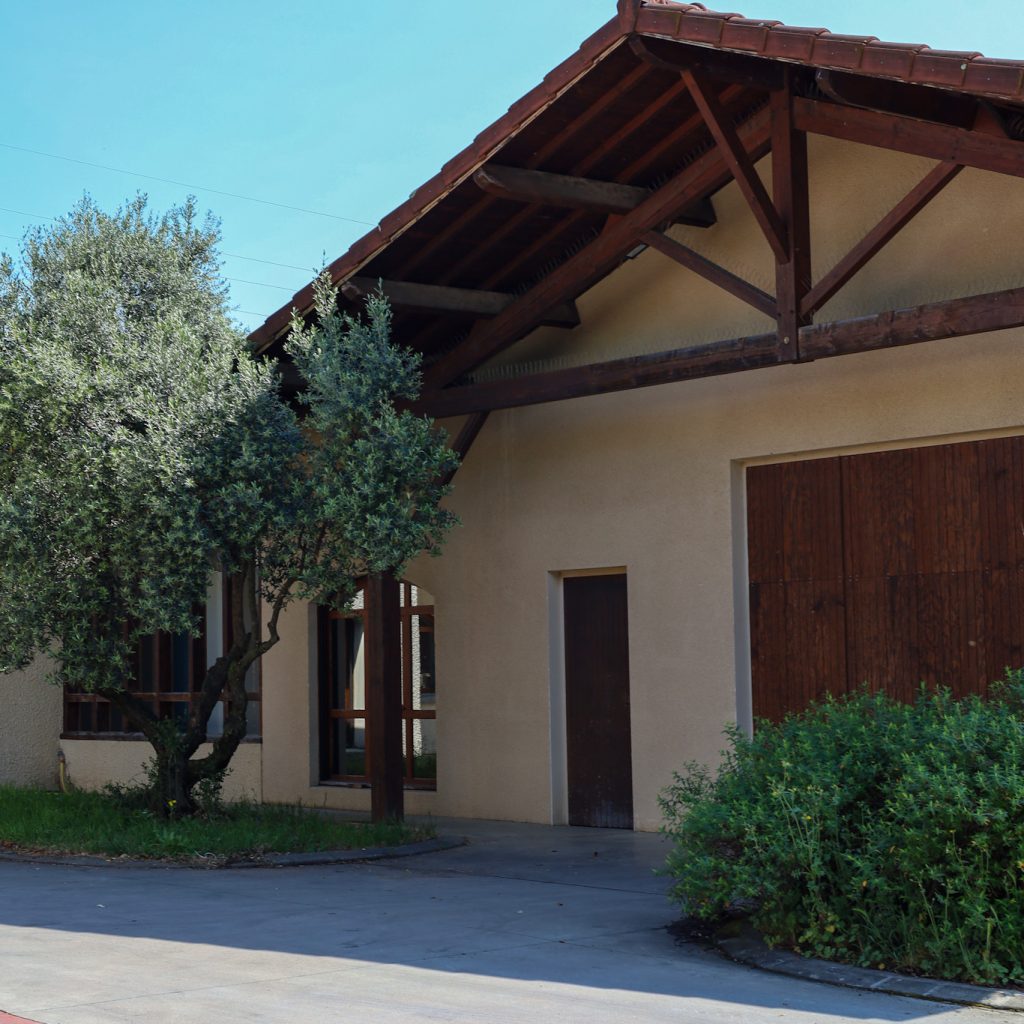
WINE #16: “Charmille”, Côtes du Jura, Domaine Overnoy, 2024, (17/20, Flor Wines)
Where I had it: At Tempête, a new-to-me fusion restaurant in Paris, with fellow influencer Emily Jackson of @coucou_emily.
How much a bottle cost me: 55€
How much a bottle would cost you: Around the same – $55 – but only if you can find it. (More on that below.)
OVERALL COMPOSITE SCORE: 17/20
- DRINKABILITY SCORE: 4.5/5 – Yum. I’ll confess, I’ve stayed away from the Jura recently, mostly because the cult favorites cost an arm and a leg in New York and everything else I’ve seen on the shelves is too oxidized or too acidic to be really enjoyable. But if this wine was any indication about what’s actually happening in the region, I hope to try more like it. Green apple and pear on the palate met with a lovely, dazzling acidity that made me think of Chablis or even Sancerre. It’s a natural wine, but it doesn’t taste like it. A rare bird.
- PAIRABILITY SCORE: 4/5 – Tempête is small plates only, so Emily and I split quite a few vegetarian and pescatarian options from the menu, including an incredible tuna with tahini and black sesame that I cannot recommend enough. The wine went swimmingly with all of it – except perhaps the spicy asparagus n’djua, which was just a little too textural and hot to match up with the fruit. Still, une grande réussite (great success).
- WALLET-ABILITY SCORE: 4/5 – 55€ for a bottle of great wine like this at a Parisian restaurant isn’t a bad price at all, but it loses a point for not really being available on the U.S. market (I was able to find a 2022 reference linked above that’s available for about $55 as well, but I wasn’t able to find any subsequent vintages).
- THE X FACTOR SCORE: 4.5/5 – This domaine is small-scale winemaking at its best. With only 5.5 hectares, an organic certification, and a continued commitment to permaculture, Domaine Overnoy is emblematic of everything going right in the Jura at the moment.
WINE #17: “Cuvée des Lumières”, Clos Montmartre, 2016, (13.5/20)
Where I had it: At my friend Steph’s apartment on my last night in Paris.
How much a glass cost me: $0.
How much a bottle would cost you: Maybe 30€ if you’re in Paris. Clos Montmartre is an extremely small production and they only sell their wines during their Fête des Vendanges, at the Mayor’s Office (that one cracked me up) and at one small épicerie in Paris. You can also taste the wines at the Musée de Montmartre in Paris. If you’re as motivated as I was to try these wines, I invite you to check out the Fête des Vendanges and give them a try for yourself!
OVERALL COMPOSITE SCORE: 13.5/20
- DRINKABILITY SCORE: 4/5 – Honestly? Not bad by a long shot. I had very low expectations when Steph whipped out a 2016 vintage of a wine that’s really only made for tourists (and maybe weird wine nerds like us) – and certainly not meant to age for a decade. After ten years it was pretty flat, with decent acidity and one little note of raspberry with a touch of… Parisian earth? Is that a terroir? Anyway, it was drinkable, fun and unique, so I’m being a little generous and giving it four points here.
- PAIRABILITY SCORE: 3/5 – We didn’t really pair this wine with anything at our apéro but I could see it being fun with some nuts, light cheeses, or chips. It’s not structured or layered enough to work with anything serious but it’s fun nonetheless.
- WALLET-ABILITY SCORE: 3.5/5 – The fact you basically can’t get this wine anywhere doesn’t play in its favor, but 20 euro to support the only operational vineyard and cuverie in Paris is still pretty cool.
- THE X FACTOR SCORE: 3/5 – Not much is known about which grapes the winery grows and uses, the sustainable practices in the vineyard, or how they make their wines. With such little transparency, it’s hard to give a high score. That being said, the organization that oversees the Fête des Vendanges does note that the proceeds from the sale of the wine go to supporting local nonprofits and educational groups in the 18th arrondissement (where Montmartre is located), so I’ve given them three points here. It’s a pretty unique experience to try a wine from the Clos Montmartre, especially when you consider the historical significance of the vines.
See you next month for the May installment.
This post contains affiliate links. If you purchase a bottle of wine through the links provided on this page, you’ll be supporting two small, women-owned businesses: SocialSomm and French Wine Tutor. Merci beaucoup !
Looking for more wine reviews? Check out the February Edition or my methodology post on Unfined + Unfiltered. Enjoy, santé !