Booked, busy, and imbibing.
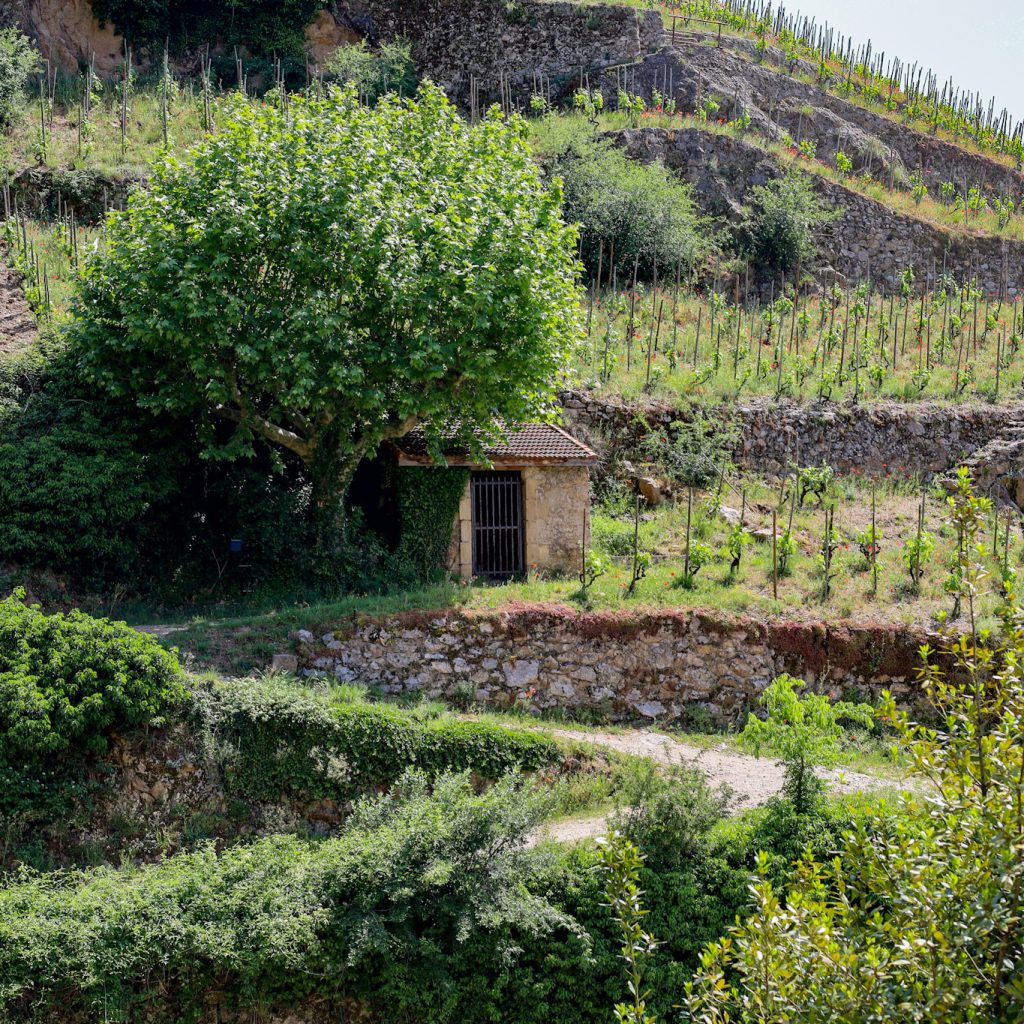
I blinked and May was over. When I returned to the U.S. on May 2nd from a beautiful two weeks in Scotland and the Rhône Valley, I immediately strapped in to the rollercoaster known as New York City May Wine Events. There’s always a two week period every year where the wine world in the Big Apple goes on a back-to-back-to-back-to-back apéro / lunch / dinner spree with some of the greatest winemakers in the world. For some reason, I thought maybe the global context in which we’re living would discourage folks from the mayhem – yet, if anything, it was busier than ever before. I’m grateful to live in such a vibrant city that attracts some of France’s best talent, but it can really make wine reviewing a challenge! Below are just about ten terrific wines from the month and what I thought of them. Read on.
WINE #1: “Sous Les Roches”, Bourgogne Aligoté, Domaine du Cellier aux Moines, 2023 (17/20, Millesima)
Where I had it: At a press dinner hosted by the Domaine du Cellier aux Moines winemaking and ownership team at Eli’s Table. I’d never heard of or visited Eli’s Table before but I’m so glad I did. Did you know they actually have the largest Burgundy cellar in NYC? That is quite the feat. In addition to having a fantastic wine program, the food was also standout. I highly recommend a visit.
How much a glass cost me: $0.
How much a bottle would cost you: UPDATE – AUGUST 2026: This wine is now happily available on Millesima. Snap it up before it disappears!
OVERALL COMPOSITE SCORE: 17/20
- DRINKABILITY SCORE: 5/5 – This wine is a dream. It’s equal parts mineral and saline, like a meaty oyster direct from the Atlantic Ocean. It has a beautiful acid interplay and a very long finish. “Sous les Roches” is the kind of white wine I yearn to review and always need a case of. And I’m beyond glad that Aligoté is coming back into the Burgundian language! More of this, please.
- PAIRABILITY SCORE: 4/5 – Outstanding with the hake crudo we enjoyed that evening. I could see this one working well with all kinds of salad, sushi, ceviche, or even more cream-sauced based dishes.
- WALLET-ABILITY SCORE: 4/5 – It’s hard to give a clear and set score when the bottles haven’t landed and aren’t priced. More than anything, this is a score of cautious optimism. I’m hoping that it’ll stay affordable since Aligoté doesn’t have the “brand name” recognition of Chardonnay. On verra.
- THE X FACTOR SCORE: 4.5/5 – I’ve given Domaine du Cellier aux Moines a 4/5 in past reviews, but for this wine in particular, I’m bumping it up to 4.5. The story behind the plot responsible for the grapes in this wine is nothing short of remarkable–the kind you often hope for in the wine world, but rarely get. The founders of Cellier aux Moines only recently discovered and took over this plot when they learned that the previous owner, a neighbor, was going to rip up the Aligoté and replace it with Chardonnay in the hopes that the wines would sell better. It’s not a unique story in Burgundy, but this part stands unique: these vines were planted in 1945, a year after World War II devastated France and its winemaking regions. The vines have been maintained ever since, making it one of the region’s oldest parcels of Aligoté. When Guillaume and Philippe (the head winemaker and owner, respectively) recounted the tale at the dinner, the whole table went silent. There’s just a kind of reverence that everyone can feel when you know you’re drinking something unique, made possible by two good neighbors. That’s really the reason for the creation of the X Factor score in the first place.
WINE #2: Cuvée P, Beaujolais Blanc, Pardon & Fils, 2023 (14/20, TotalWine)
Where I had it: At home on a weeknight, paired with a new recipe we tried (Miso Mushroom Crispy Rice). It called for a bit of white wine in the sauce, so we popped open this bottle for the ingredient and drank the rest.
How much a bottle cost me: $0.
How much a bottle would cost you: $20. Proof that Beaujolais still shows great value.
OVERALL COMPOSITE SCORE: 14/20
- DRINKABILITY SCORE: 4/5 – Floral, citrus, demure. This wine isn’t overwhelming and can go with a lot of dishes and tastebuds. It’ll do the trick for your next summer party.
- PAIRABILITY SCORE: 3.5/5 – If you’re looking for something simple that can pair with light summer dishes, this one will work. That being said, it’s really missing the complexity that you need when pairing more serious dishes. Great for summer, maybe not so great for other seasons.
- WALLET-ABILITY SCORE: 5/5 – Cuvée P is an affordable Beaujolais Blanc and the fact you can get it at Total Wine is a major plus.
- THE X FACTOR SCORE: 1.5/5 – There is, unfortunately, no information about environmental commitments, sustainable practices, or CSR on Pardon & Fils’ website or social handles, which tells me very clearly that it’s not something the domaine prioritizes. A couple of the wines have a tiny little sticker at the bottom of their technical pages that note “Haute Valeur Environnementale” but there’s no indication as to which level, and no other notes in marketing materials about their future plans for environmental work. Instead, there’s a bit of an obsession about scores, which is misplaced. (You’re probably thinking that’s rich coming from a wine reviewer, but my dislike of hero-worship scores is what led me to reviewing wines in the first place.) It’s a shame to see this in a place like Beaujolais, which is otherwise renowned for its care for the environment and minimal-interventionist wines.
WINE #3: Le Rosé, Vin de France, Souleil Wines, 2025 (18/20, SocialSomm)
Where I had it: At a networking and sustainability event celebrating both Souleil Wines and their nonprofit partner, Project Rescue Ocean.
How much a glass cost me: $0.
How much a bottle would cost you: $17. For a wine that’s sustainably made and committed to doing good, that is a pretty fantastic price.
OVERALL COMPOSITE SCORE: 18/20
- DRINKABILITY SCORE: 4/5 – What a terrific little wine. Watermelon and strawberry intermingle with this gorgeous, succulent salinity that makes you reach for another sip the second you’ve finished the first one. The vineyards are not far from the Mediterranean and you can really taste the sea breeze as you drink it.
- PAIRABILITY SCORE: 4.5/5 – Barbecued, lime-marinated shrimp. Summer strawberry salad. A warm-weather sunset. This is a fabulous rosé to pair with all your favorite summer moments – and even into the fall.
- WALLET-ABILITY SCORE: 5/5 – At a time when everything is getting more and more expensive, an affordable glass of wine that you and your friends are actually going to love has become almost priceless. Buy a case for summer already, please.
- THE X FACTOR SCORE: 4.5/5 – I reviewed Souleil Wines’ white Vin de France last June. At the time, I gave them a 4/5 score in this category, but the more I learn about them, the more impressed I am with their sustainability commitments. I’m increasing the score to 4.5 accordingly. In addition to being organic, vegan, and fostering multiple partnerships with worthy non-profit organizations, they use recycled paper for labels, boxes, and other printed materials and additionally exclusively use more lightweight bottles than the norm. I can’t wait to see where they’ll go from here.
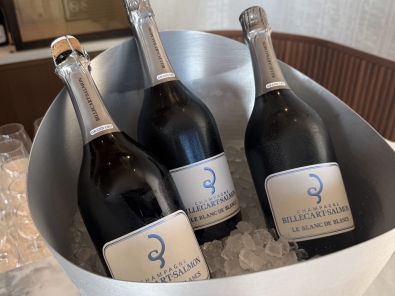
WINE #4: Blanc de Blancs, Champagne Grand Cru, Billecart-Salmon, NV (18.5/20, Millesima)
Where I had it: A rooftop soirée at Le Jardin sur Madison. It’s a new, private events space with food by Daniel Boulud.
How much a glass cost me: $0.
How much a bottle would cost you: $100. Oh, Champagne. That being said – this might be one that merits the price. More on that below.
OVERALL COMPOSITE SCORE: 18.5/20
- DRINKABILITY SCORE: 5/5 – I am one of Champagne’s most relentless critics. So many houses suffer from overinflated egos and delusions of grandeur. They don’t need or want you to like their wine: if you don’t, you are the one with the problem. Champagne as a region is an iron dome: untouchable, unshakeable, unflappable, unconcerned with you. (And its acolytes are just as unforgiving.) The reality is, too often, they rarely have the juice to justify the attitude. I’m pleased to report that Billecart-Salmon does not fall into this category in the least. I am a convert. I now understand their cult-like following. This Blanc de Blancs is absolutely exquisite. Soft, refined bubbles make way to light lemon and salinity on the palate. It’s a delight to drink and it pairs well with nearly everything. So many bubbles are rough, uncontrolled, and unbridled. In this wine, they’ve been domesticated. It’s hard not to lust after an entire bottle.
- PAIRABILITY SCORE: 5/5 – A wine this incredible can likely hold up to just about anything, but it shone with the delicate fish, veggie, and mushroom appetizers we had that night. What a great wine for food.
- WALLET-ABILITY SCORE: 4/5 – I’m tough on Champagne not just for its enduring ego problem but also for its pricing structure (obviously, the two are related). I’d love it if this wine were just a touch more reasonably priced, but because I fell absolutely in love with its texture, I’d spend $100 on it myself without question. If you know you love the wines from this house, it’s well-worth the investment.
- THE X FACTOR SCORE: 4.5/5 – Champagne Billecart-Salmon stands on business. A certified organic domaine committed to biodiversity, reducing its carbon footprint, and limiting the use of plastic are just a few things they do to make the world a better place. In talking to Matthieu, the current proprietor of the domaine, you’ll feel these commitments firsthand. Through the principles of biodynamics, they’re committed to a more sustainable future for Champagne. It’s nice to see a grande marque take responsibility.
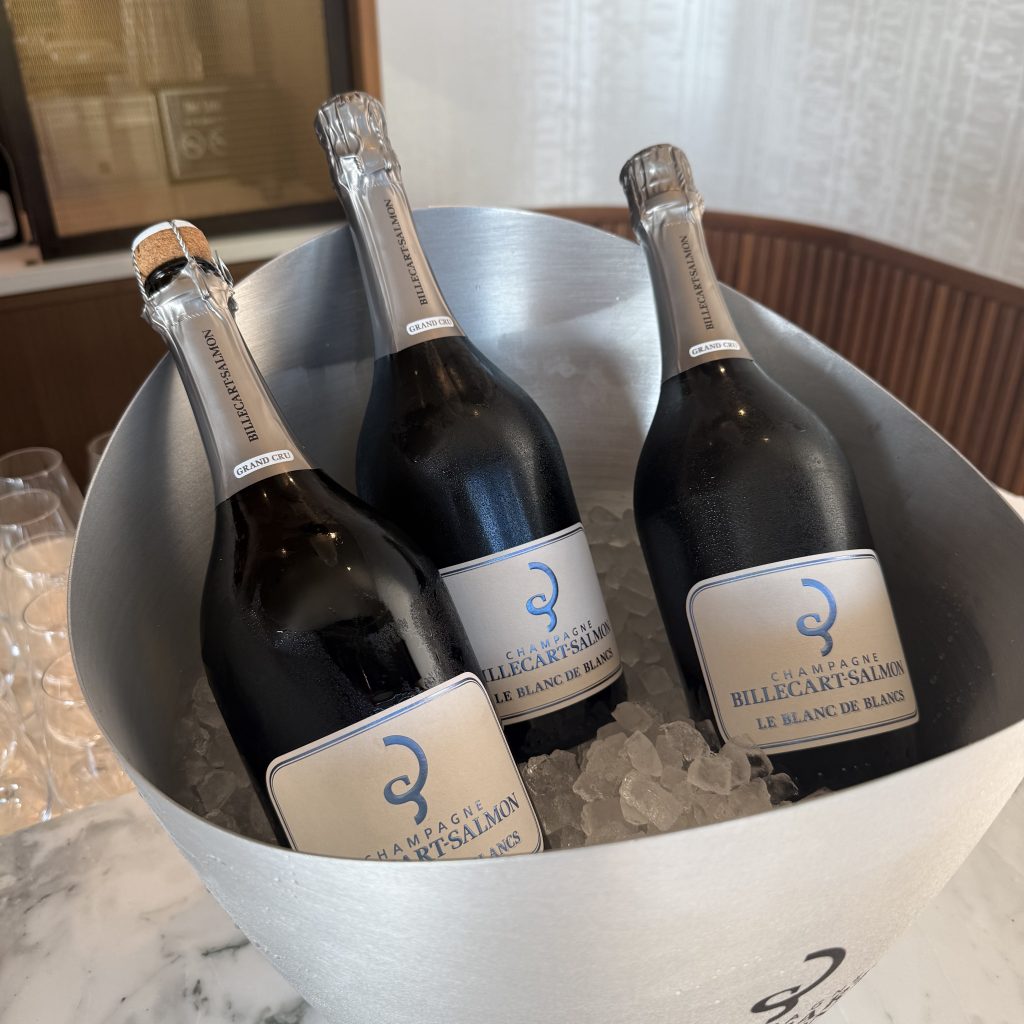
WINE #5: “Louis Salmon”, Blanc de Blancs, Champagne, Billecart-Salmon, 2013 (17.5/20, Millesima)
Where I had it: That very same rooftop soirée at Le Jardin sur Madison.
How much a glass cost me: $0.
How much a bottle would cost you: $229.
OVERALL COMPOSITE SCORE: 17.5/20
- DRINKABILITY SCORE: 5/5 – The complexity of this wine is something I still dream about weeks after tasting it. Layers upon layers of white florals and lemon zest and doughy croissant all work together to create an absolutely stellar bottle of Champagne. This is one of the greats, no question.
- PAIRABILITY SCORE: 5/5 – This Champagne yearns for food (the way I do after a long ballet class). As I sit here thinking of the great meals you could pair it with, I’m struggling to find really anything that it wouldn’t pair with. Champagne–when done well–is one of the most versatile food pairings on the planet, and this one is no exception. Great with appetizers. Or sourdough bread with artisanal butter. Or Smoked cod in a cream sauce. Or delicately grilled summer fruits and vegetables. The sky is really the limit.
- WALLET-ABILITY SCORE: 3/5 – It’s hard to talk affordability when you’re reviewing aged grand cru Champagne. Still, if you love the house style and unique vintages like this one, it could be worth the splurge. I shudder to think, however, at how quickly the prices can go up from here.
- THE X FACTOR SCORE: 4.5/5 – Since the same house makes this cuvée as well as Wine #4, they’ve got the same score.
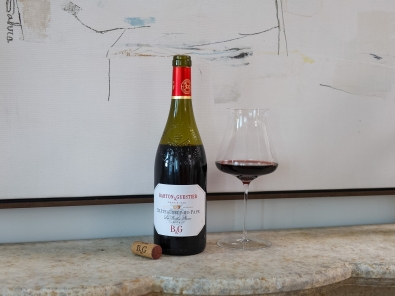
WINE #6: “Fonfotin”, Fleurie, Jonathan Pey, 2023 (15.5/20, Domaine Jonathan Pey)
Where I had it: At a trade lunch for the Beaujolais wine region at Blackbarn.
How much a glass cost me: $0
How much a bottle would cost you: $39. Unfortunately, there is no traditional distribution, but you can purchase this wine as part of a 3-bottle set if you live in California or a state that has a reciprocal shipping agreement with California. More on that in the purchase link at the top of this section.
OVERALL COMPOSITE SCORE: 15.5/20
- DRINKABILITY SCORE: 4/5 – Pey is a newcomer to Beaujolais. An American originally from New Jersey, he started his eponymous winery in 2021 after years of working in the wine trade and even helming a small domaine in Marin County, CA. His energy is palpable–and it translates into his wines. This is a generously structured, intense Fleurie with some serious aging potential. 2023 was a sunny, warm year in Burgundy, so it’s not surprising that this one is a little more full-bodied than what I typically prefer in a Fleurie, but it has a vivaciousness in those typical granite, violet, and blackberry notes that I think shows great promise.
- PAIRABILITY SCORE: 3.5/5 – This one was tricky to pair, but it did go well with the mushroom ricotta bruschetta on the menu. I think it needs a couple years in the cellar to mellow out a little but it does show good promise for food pairing once it does.
- WALLET-ABILITY SCORE: 4/5 – The 2023 “Fonfotin” Fleurie is incredibly small production, so it’s no wonder Pey is keeping distribution small. That being said, the fact it’s hard to get does take a point away from an otherwise great price for Cru Beaujolais.
- THE X FACTOR SCORE: 4/5 – Starting a vineyard and deciding from Day 1 that you’re going to prioritize organic farming with certification is gutsy, but Pey is clearly passionate about it. When combined with his commitment to biodiversity, cover crops, and more, there’s no doubt this score will just keep improving in time. It’s a terrific approach that we need more of.
WINE #7: “Vignes de 1948”, Régnié, Jean-Michel Dupré, 2023 (16.5/20, Liner & Elsen)
Where I had it: At that same trade lunch for the Beaujolais wine region.
How much a glass cost me: $0.
How much a bottle would cost you: $25.
OVERALL COMPOSITE SCORE: 16.5/20
- DRINKABILITY SCORE: 4/5 – This wine had the most balanced flavor profile of the lineup at the trade lunch by a long shot. Still a bit bolder and warmer than I prefer in Cru Beaujolais, but in addition to boasting well-integrated tannins and balanced acidity, it had a lovely blueberry note that gave way to dark cocoa. The result was an intoxicating sip that paired phenomenally (and unexpectedly) with dessert. I wasn’t familiar with Dupré’s wines before this event, but he’s now on my radar. Add him to yours, too.
- PAIRABILITY SCORE: 4/5 – When I tell you this was an excellent dessert pairing, believe you me, it cannot be overstated. It was paired with a dessert dish that featured dark chocolate mousse, a dark cocoa snap cookie, and fresh cherries on top. The combination was phenomenal. It just goes to show you that red wines can pair with chocolate (but please for the love of God, save me the Halloween candy combos…)–so long as the chocolate is balanced and beautifully executed. I could also see this wine doing well with aged hard cheeses, and smoked and BBQ’d meats.
- WALLET-ABILITY SCORE: 5/5 – $25 for an old vine Cru Beaujolais?! Get out of here! Buy a case and thank me later.
- THE X FACTOR SCORE: 3.5/5 – A couple of distributor and import websites note that this is an organic-practicing vineyard, but I couldn’t find much within the tech sheets or producer-provided materials that had more information as to what this entails. Without being able to fact check, I can’t give a higher score than 3.5, but I’m hopeful that more will come in the future.
WINE #8: “Sainte Claire”, Chablis, Jean Marc-Brocard, 2024 (17/20, SocialSomm)
Where I had it: At an absolutely beautiful dinner celebrating the wines of Chablis at The Times Square Edition. What a beautiful spot! If you’re in a pinch and need a great place in Midtown to grab drinks or dinner before a night out, keep it in mind.
How much a glass cost me: $0.
How much a bottle would cost you: $42.
OVERALL COMPOSITE SCORE: 17/20
- DRINKABILITY SCORE: 4/5 – Brocard really just makes some of Chablis’ most solid, reliable, delicious wines. This one was no different: it’s precise, layered, and a delight to drink. Think all of Chablis’ most textbook characteristics (lemon, mineral) with a touch of sea salt. There’s a reason this domaine has become one of my favorites in the region.
- PAIRABILITY SCORE: 4/5 – Some of the world’s greatest food pairings are ones that go with good Chablis. Yes, I really do mean that (especially as a pescatarian!). The acidity, the citrus, the salt! Everything comes together here, and it was delicious that evening with a goat cheese and mushroom tart. It’ll be fabulous with everything from grilled seafood to pad Thai.
- WALLET-ABILITY SCORE: 5/5 – Honestly, $42 for a quality Chablis that you know is doing right by the planet is absolutely worth it. Brocard has become one of my favorite producers, so I always try to keep at least one bottle in the wine fridge.
- THE X FACTOR SCORE: 4/5 – I was lucky enough to visit this domaine last year on my whirlwind day trip to Chablis and I’ve been a huge fan ever since. This is an organic and biodynamic family-owned estate that really keeps people and planet in mind in everything they do.
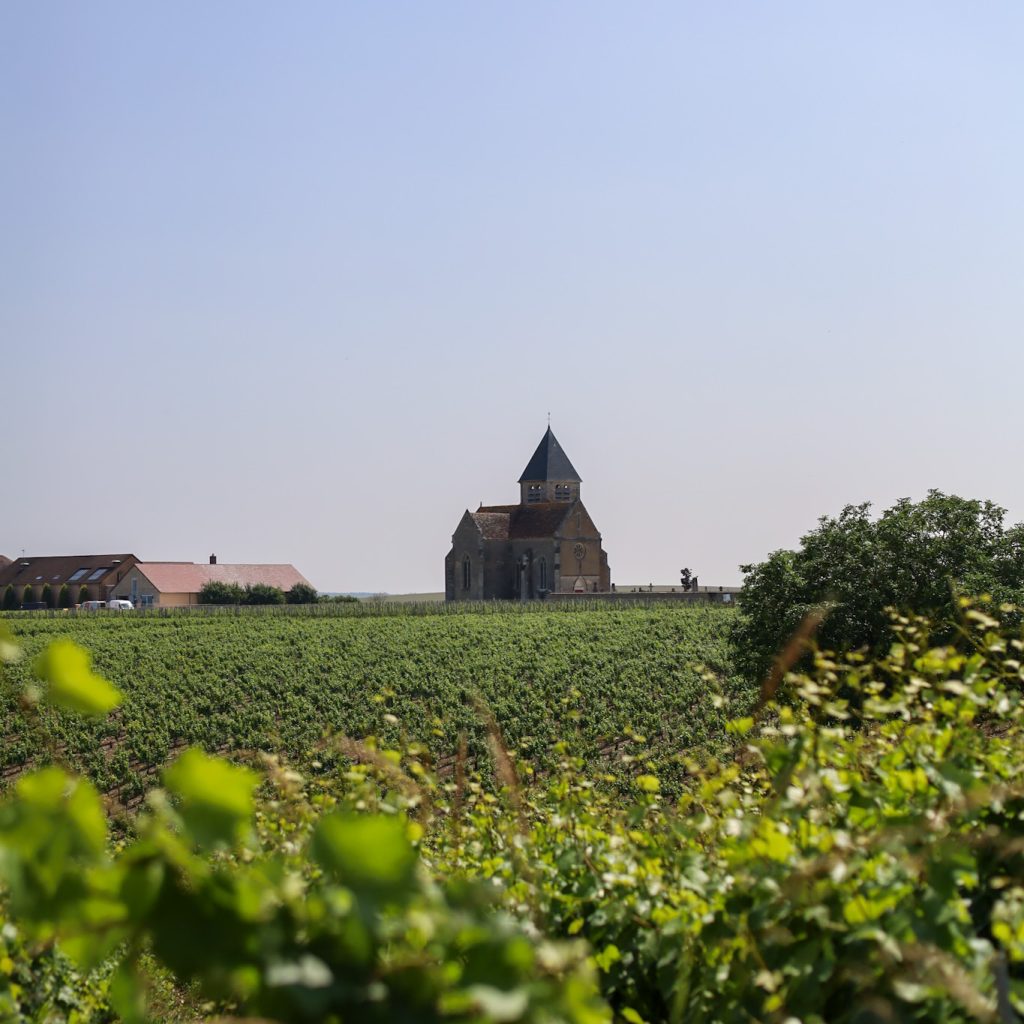
WINE #9: Valmur, Chablis Grand Cru, J. Moreau & Fils, 2019 (17.5/20, Empire State of Wine)
Where I had it: At that same beautiful Chablis dinner at The Times Square EDITION.
How much a glass cost me: $0.
How much a bottle would cost you: $88. It’s on sale at Empire State of Wine and it’s well-worth the price.
OVERALL COMPOSITE SCORE: 17.5/20
- DRINKABILITY SCORE: 5/5 – There’s a reason that the vast majority of the premier and grand cru systems across France have withstood the test of time. (It’s somewhat polemic to write that in 2026, but I firmly believe it.) It’s hard to believe that, with only seven years of age, this wine has the complexity of aromas and flavors of a wine a decade its senior. An outstanding cuvée with some beautiful notes of smoked hazelnut, lemon curd, and pressed white flowers. Easily my favorite Chablis from that night.
- PAIRABILITY SCORE: 4/5 – Because of its complexity, this Valmur was not the perfect food pairing for the main dish of the night, but it put up a good fight. I think it needs something meatier than the cod course I enjoyed that evening. That being said, it could be great with roast chicken in a beurre blanc, sole meunière, or anything else that features a creamy sauce.
- WALLET-ABILITY SCORE: 5/5 – For a Chablis Grand Cru with seven years of age, $88 is a great price. Empire State of Wine is a great shop. Snap it up before someone else does!
- THE X FACTOR SCORE: 3.5/5 – Some of the wines listed on the J. Moreau & Fils website have an organic notation, but there’s little information about why the others aren’t, where they’re sourced from, and whether or not the domaine is working toward total organic certification. Transparency and an ongoing commitment would make this score much higher.
Looking for more wine reviews? Check out the April Edition or my methodology post on Unfined + Unfiltered. Enjoy, santé !
Please note this post contains affiliate links. By clicking on them and purchasing the recommended wines, you’re supporting the work of me, French Wine Tutor, one of the only remaining independent female wine reviewers in the space. Merci pour votre soutien !