Created in Partnership with Barton & Guestier
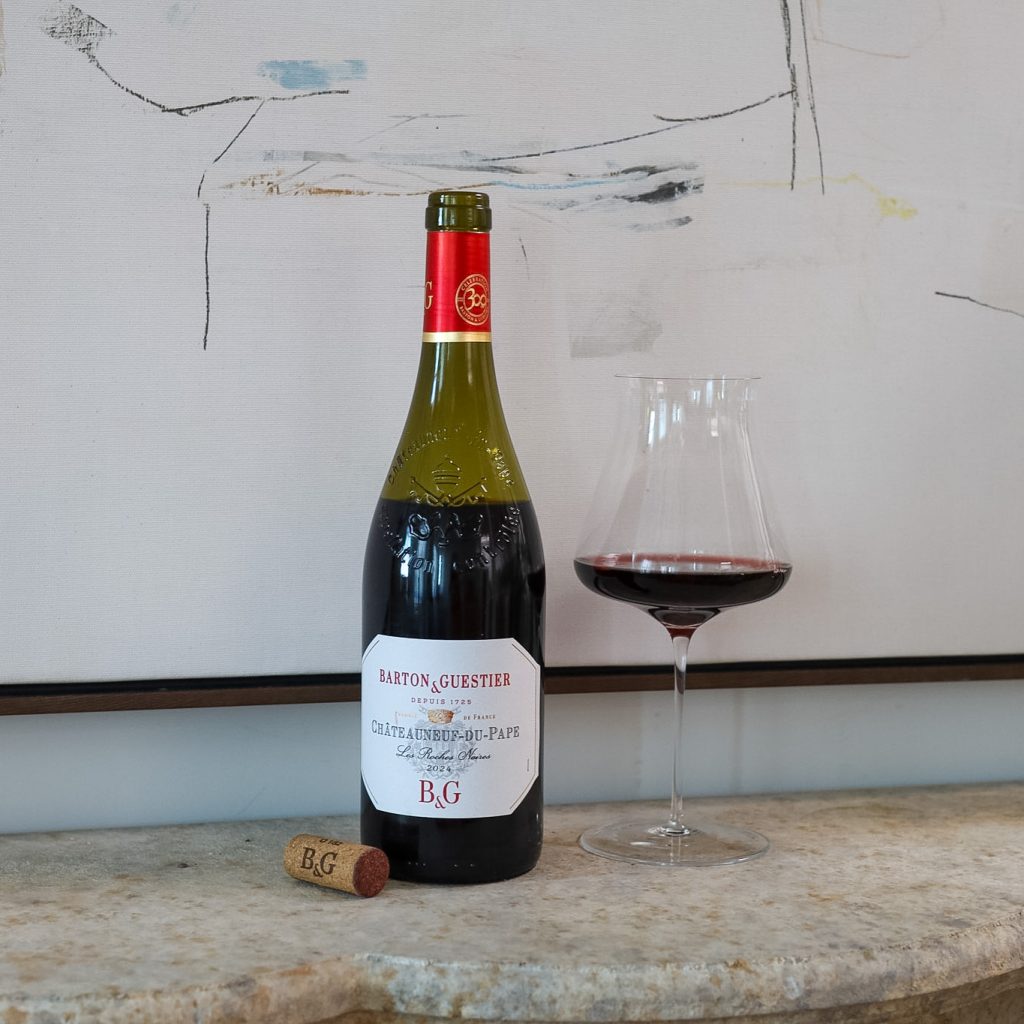
France is home to some of the world’s most illustrious and historic wine merchants, but none so historic and prolific as Barton & Guestier. Founded in 1725 by an Irishman, Thomas Barton, the company has always understood that French wines in particular are full of words and phrases that are extraordinarily difficult for English speakers to pronounce and understand. It’s in that spirit that the company has been teaching French wine pronunciation for decades, with easy-to-understand pronunciation and sound write-ups, and the latest edition, The French Wine Decoder, a campaign of which I’m excited to take part! Below, we’ve outlined an audio dictionary of ten French wine terms you should know. Simply click the “play” button to listen and practice. Read on for a veritable primer in French wine words that’s easy to digest and fun to listen to.
WORD #1: Appellation d’Origine Contrôlée
Directly translating to “appellation of controlled origin”, the term appellation d’origine contrôlée is used throughout France to denote when a wine is made from grapes that are grown in a specific place, protected by the French government within specific growing and winemaking parameters. It can be a bit of a mouthful to stay for native English speakers, so don’t hesitate to take it slow and listen to the recording a few times to internalize it!
WORD #2: Pouilly-Fuissé
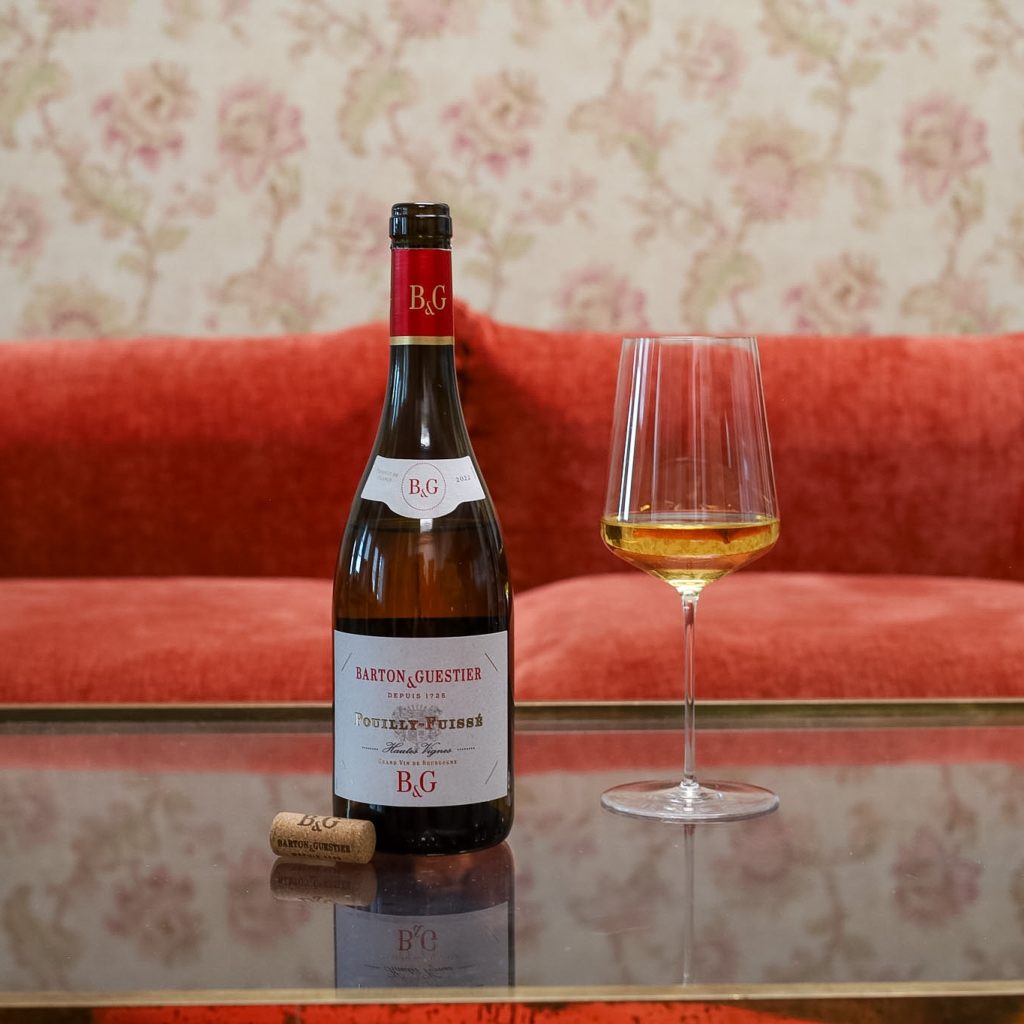
Pouilly-Fuissé is the name of a wine appellation in Southern Burgundy, known for its sunny characteristics (think warm tasting notes of bright peach and lemon). Made from 100% Chardonnay, this delicious wine is a great one to kick off a party! Pair it with your favorite nuts and cheeses for a delicious bite.
WORD #3: Sur Lie
Translating to “on the lees”, this is a French winemaking term that notes when a wine is aged for an extended period of time on the dead yeast cells leftover from the fermentation process. (Sounds better in French, right?!) The process is used throughout France, but you’ll most famously see it on labels in the Loire, where it’s often used for Muscadet.
WORD #4: Côtes de Provence
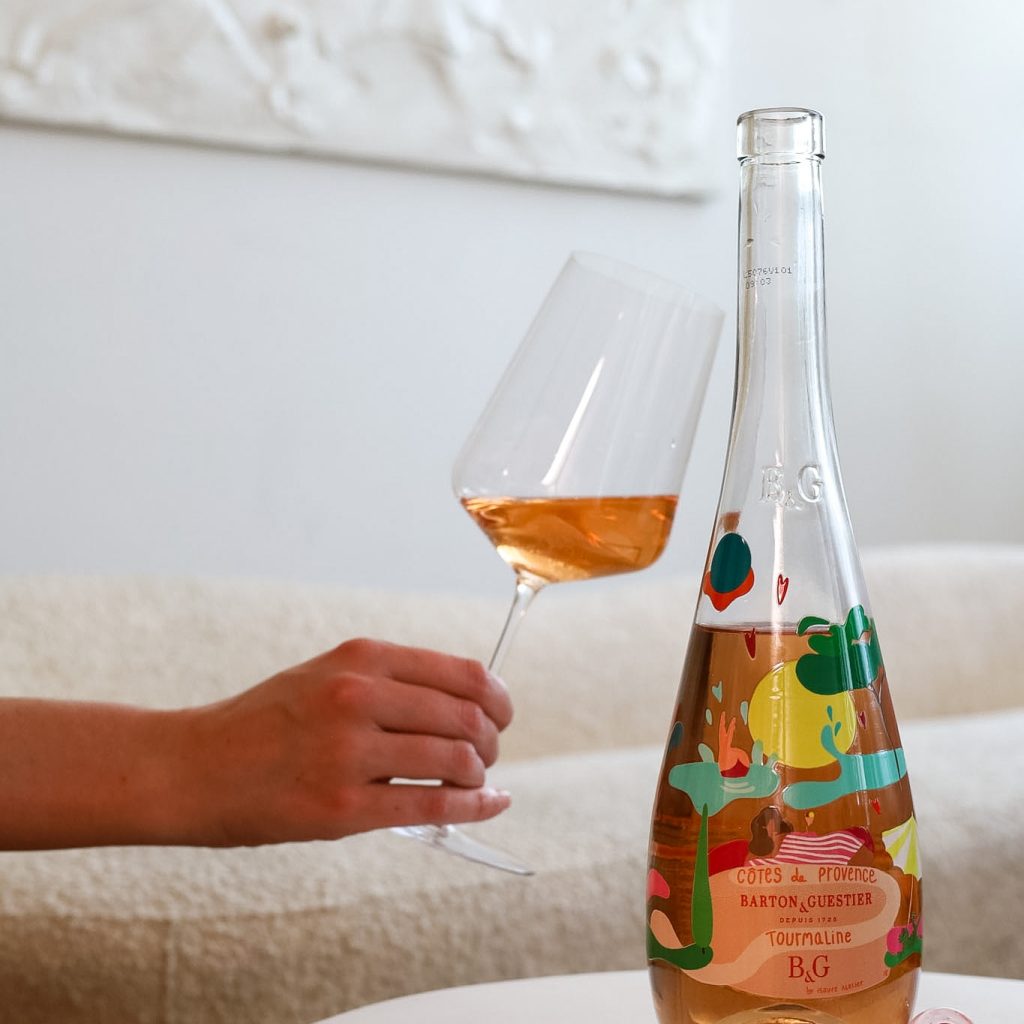
The appellation name used for France’s most iconic rosé! Barton & Guestier’s edition as shown below is a crisp, dry, and fruit-forward cuvée with notes of fresh raspberries and red cherries. Perfect to toast at your last summer gathering as we head into the fall season.
WORD #5: Millésime
You’ll see this word on a variety of wine bottles from around the country. It’s the French word for “vintage”, and refers to the year in which the grapes were harvested. For example, a French wine bottle with the words “Millésime 2023” would indicate that it was made from grapes that were harvested in fall of 2023.
WORD #6: Garrigue
This is one of my favorite French words. It’s a tasting note that doesn’t really have a direct translation. Instead, it’s a French word that refers to the low-lying shrubs that grow on the ground in Provence and the Southern Rhône. The presence of those shrubs adds a unique, herbal, sometimes grassy aroma and flavor to wines made in those regions. If you ever visit a vineyard there, you’ll easily recognize the scent. I wish someone would bottle it into a perfume!
WORD #7: Châteauneuf-du-Pape
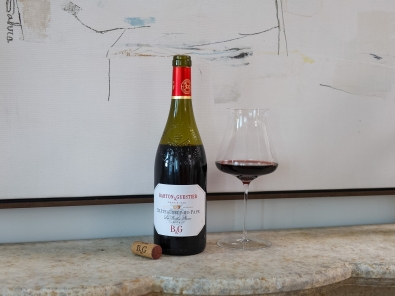
One of France’s most iconic wine appellations — and one of its most difficult to pronounce! Just take things slow and listen a few times to get the hang of it. Roughly translating to “The Pope’s New Castle”, this historic wine region makes exceptional red and white wines that are full of structure, depth, and ability to age.
WORD #8: Les galets
“Les galets” translates to “pebbles” in general spoken French, but in wine French, it refers to a specific type of terroir that typically featured rounded rocks leftover from river deposits. Châteauneuf-du-Pape is famous for them, and pockets of Bordeaux, the Sud Ouest, and other wine regions also have their own versions of this soil type. They’re quite extraordinary to see in person, so if you ever have the opportunity to visit Châteauneuf-du-Pape, make sure to visit one of the regions vineyards to take a look!
WORD #9: Tannin
This is how the French pronounce the word “tannin” – a cognate from one language to the other! Tannins are used to describe the mouth-drying effect you may feel when drinking certain wines. Present predominantly in some of France’s top red wines (like Châteauneuf-du-Pape!), they provide structure and a unique mouthfeel, often making them great pairings for heavier dishes with sauces, stewed meats, or barbecue.
WORD #10: Barton & Guestier
This one ought to look familiar to you now! This is how the French pronounce this iconic wine brand, but don’t worry, they’re not picky. So long as you enjoy the fantastic portfolio of wines they create, you’ll be in tip-top shape — no matter your pronunciation!
Thanks so much for reading our 10 Top French Wine Terms You Should Know guide! Make sure to check out Barton & Guestier for all your French wine needs – from Châteauneuf-du-Pape to Pouilly-Fuissé and beyond. Feeling confident? Make sure to enter Barton & Guestier’s French Pronunciation Challenge and you could win a trip for two to France!
This blog post has been generously sponsored by Barton & Guestier. All thoughts and opinions shared here are uniquely my own. Thank you for supporting French Wine Tutor! Looking for more pronunciation guides? Check out the Complete Pronunciation Guide to Côtes du Rhône or check out more wines on the blog.